Most people spend hours choosing a paint color and a few seconds choosing a sheen. Yet the sheen affects how the color looks, how well the wall hides flaws, and how easily it can be cleaned. Pick the wrong one and a beautiful color can look patchy, or a hallway wall can lose its finish the first time someone scrubs a scuff mark.
Here's a practical guide to what each sheen does and where it works best in a typical Connecticut home, from Waterbury colonials to newer builds in Southbury.
What sheen actually means
Sheen describes how much light a dried paint film reflects. Flatter paints scatter light, which softens the surface and hides texture. Glossier paints reflect light directly, which makes the surface easier to clean but also highlights every bump, patch and roller mark.
Manufacturers don't use identical scales, so one brand's eggshell might look closer to another's satin. That's one reason we brush out sample patches on your walls rather than relying on the label alone.
Sheen also changes over time. Flat paints can pick up a slight polish where hands and furniture rub against them, a condition painters call burnishing, while glossier finishes may dull slightly as they age. Choosing a sheen that suits how the room is used keeps the surface looking even for longer.
Lighting is part of the equation, too. A wall lit evenly by ceiling fixtures is forgiving, but the same wall lit from the side by a tall window or a hallway sconce will reveal far more texture. When we look at a room, we pay attention to where the light comes from before recommending a finish.
Flat and matte
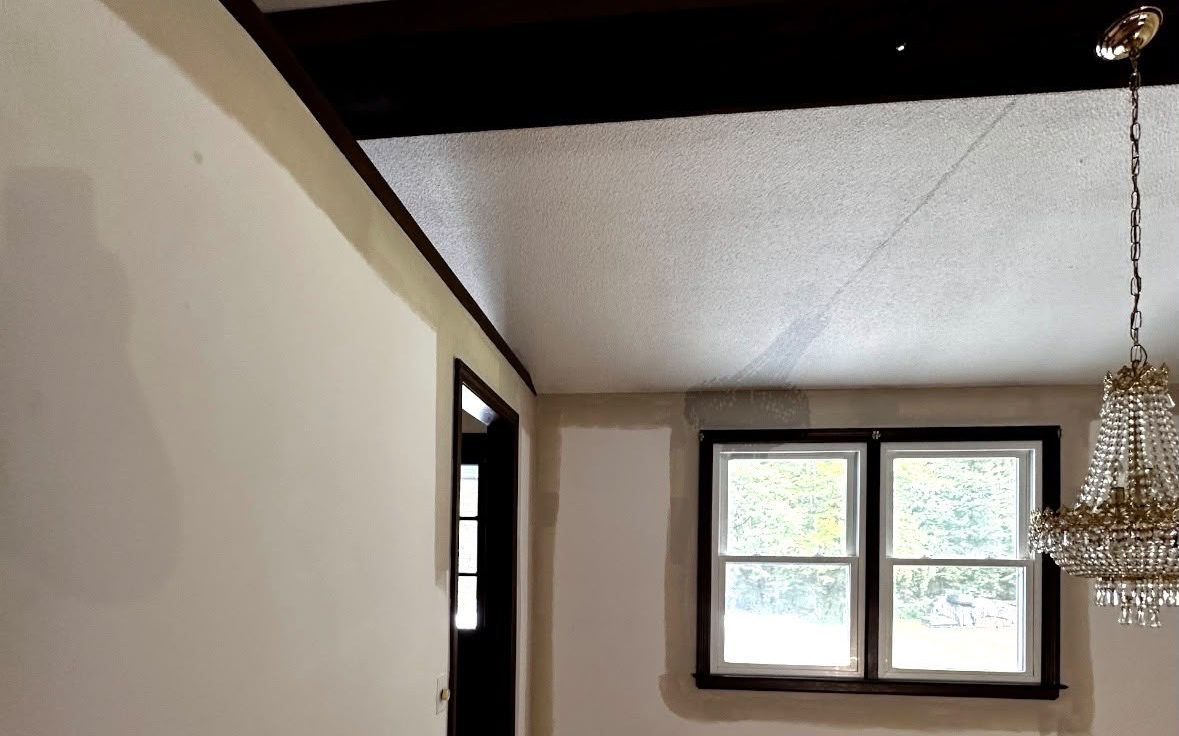
Flat and matte paints have the lowest reflectivity. They give walls a soft, velvety appearance and are excellent at hiding imperfections, which makes them a natural choice for ceilings and for walls with patched or uneven plaster.
The trade-off has traditionally been washability. Older flat paints would burnish or lose color when scrubbed. Many current premium matte formulas are far more durable, but they still aren't the best choice for areas that get frequent handling.
- Best for: ceilings, formal living and dining rooms, adult bedrooms
- Think twice for: hallways, kids' rooms, kitchens and bathrooms

Eggshell
Eggshell has a slight, low luster, often compared to the surface of an eggshell. It's the most common wall finish in homes because it balances a soft look with better cleanability than flat.
Eggshell works well in living rooms, family rooms, bedrooms and home offices. It reveals somewhat more surface texture than matte, so walls with significant patching benefit from careful sanding and priming before an eggshell topcoat.
- Best for: most living areas and bedrooms
- Watch out for: raking light from large windows on uneven walls
Satin
Satin is a step up in sheen, with a soft glow and good resistance to moisture and scrubbing. It's a dependable choice for rooms where walls get touched, splashed or wiped regularly.
Many homeowners choose satin for kitchens, bathrooms, laundry rooms, mudrooms and children's rooms. It can also be used on trim when a lower-gloss look is preferred. Because satin shows roller and brush technique more readily, even application matters.
- Best for: kitchens, baths, kids' rooms, mudrooms and entry halls
- Also works on: trim and doors in a more modern, subdued style
Semi-gloss and gloss
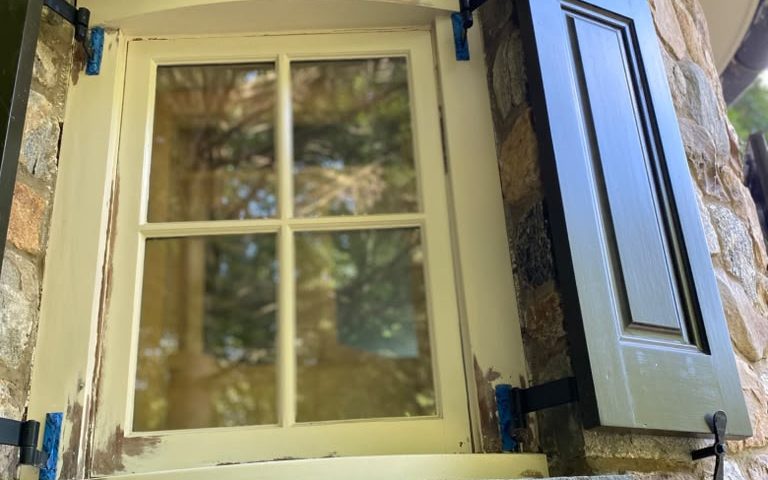
Semi-gloss and high-gloss paints form hard, reflective films that resist moisture, fingerprints and repeated cleaning. Those qualities make them the traditional choice for trim, doors, cabinets and railings.
Gloss is beautiful when the surface beneath it is smooth, and unforgiving when it isn't. Every dent and drip shows. On older trim with years of built-up paint, sanding and filling before applying a gloss finish make a visible difference.
- Best for: baseboards, casings, doors, railings and cabinetry
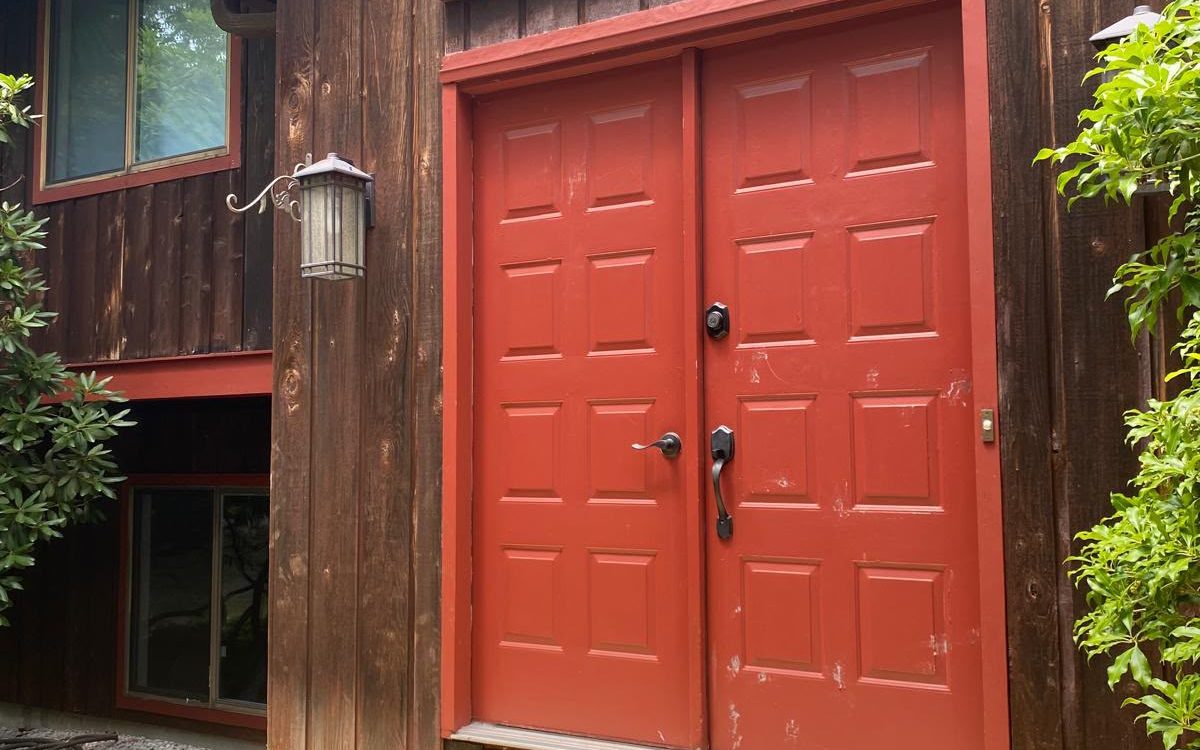
- High gloss for: statement front doors and furniture-style pieces
Special cases worth planning for
A few situations call for a slightly different approach than the standard room-by-room guide.
Older plaster walls
Many homes in the Waterbury area still have original plaster. It's durable and beautiful, but decades of patching often leave subtle waves and seams. A lower sheen, such as matte, keeps those variations from drawing attention, especially on walls opposite a large window.
Rentals and high-traffic homes
In rental units and busy households, washability usually matters more than a perfectly soft look. Eggshell or satin on walls makes it easier to clean scuffs between tenants or between seasons of school backpacks and sports gear.
Bathrooms without strong ventilation
Bathrooms that stay humid after showers benefit from a paint formulated for moisture resistance, typically in satin. The paint helps, but running the exhaust fan for twenty or thirty minutes after showering makes a bigger difference to how long the finish lasts.
Accent walls
Deep accent colors can look patchy in glossier sheens if the application isn't perfectly even. A matte or eggshell finish usually gives dark colors a richer, more uniform appearance.
A simple room-by-room approach
If you'd like a starting point, this combination works in most homes and can be adjusted to taste.
- Ceilings: flat
- Living and dining rooms: matte or eggshell
- Bedrooms: eggshell
- Kitchens and bathrooms: satin
- Hallways and stairwells: eggshell or satin
- Trim and doors: semi-gloss or satin
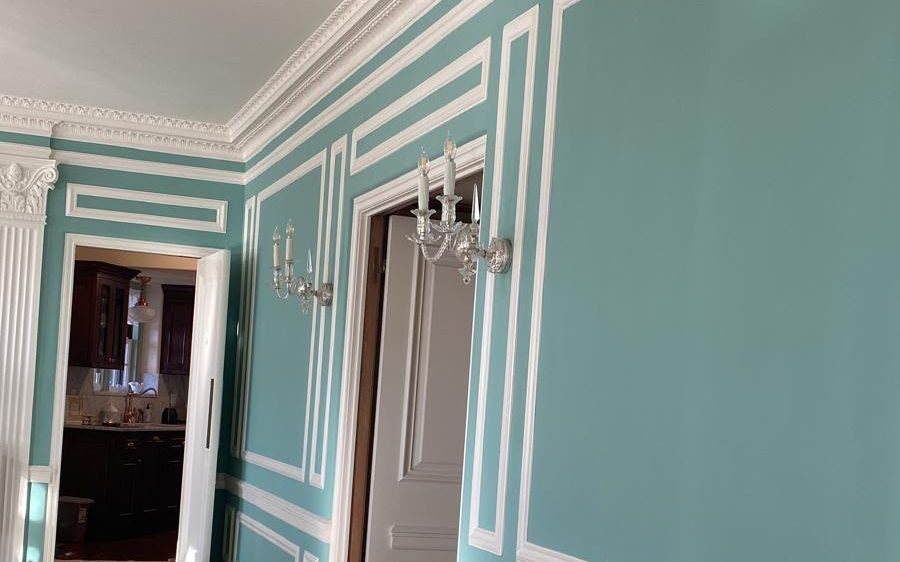
Consistency helps the house feel cohesive. Using the same trim sheen throughout, for example, keeps the transitions between rooms clean even when wall colors change.
How sheen changes color
The same color can look noticeably different in different sheens. Glossier finishes reflect more light, so colors can appear slightly lighter and more saturated. Flatter finishes absorb more light and can make the same color feel deeper and calmer.
That's why a color sampled on a matte swatch card can surprise you once it's on the wall in satin. When you test colors, test them in the sheen you plan to use, and look at the samples in daylight and in the evening under your own lighting.
Getting the finish right
Sheen also affects how a wall should be painted. Glossier finishes reveal lap marks and inconsistent film thickness, so they require keeping a wet edge, working in sections, and maintaining even pressure. Patched areas need priming so they don't flash, meaning they appear duller or shinier than the surrounding wall.
On interior projects in Waterbury and nearby towns, we'll recommend sheens for each room based on how it's used and the condition of the surfaces, and we'll show you samples before work begins. A good sheen choice is easy to overlook, but it's one of the details that makes a paint job look professional for years.
Questions about this topic
Yes. When moving from a glossy finish to a flatter one, the surface should be cleaned and lightly sanded or deglossed so the new coat adheres properly.
Flat and matte finishes hide imperfections best because they scatter light rather than reflecting it, which is why they're the standard choice for ceilings.
Satin is usually the better balance for bathroom walls, offering good moisture resistance without highlighting every flaw. Semi-gloss is often reserved for the trim and doors.
Related services

Written by the Brightline Painting team
We're residential painters based in Waterbury, Connecticut, with more than ten years of experience and over one hundred completed projects. Sheen questions come up in almost every room we paint, so we put our usual recommendations in one place. More about us.