
Exterior Painting in Waterbury, CT
Siding, trim and porches prepped and coated to stand up to Connecticut winters, summer humidity and everything in between.
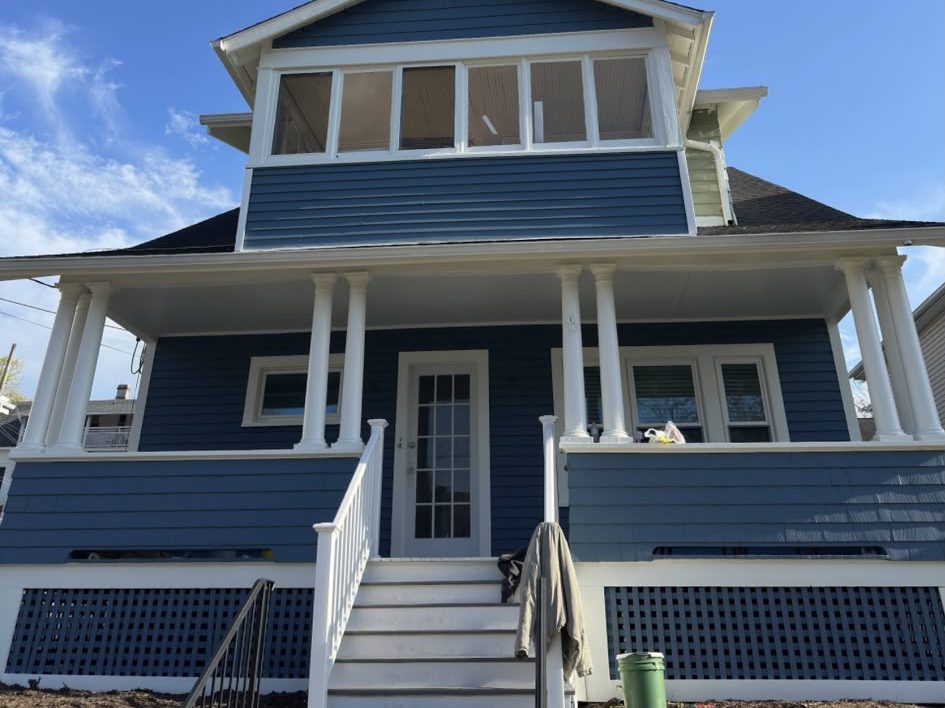
What to expect from our exterior painting
Exterior paint has a harder job than any coating inside your home. In the Waterbury area it faces freeze-thaw cycles, wind-driven rain, heavy snow against the lower courses, and strong summer sun on south-facing walls. A finish that lasts in those conditions depends far more on what happens before painting than on the paint itself.
Every exterior project we take on starts with surface preparation. Loose and peeling paint is scraped, edges are feathered so they don't show through the new coat, bare wood is primed, and failed caulk around trim and corner boards is cut out and replaced. Where we find soft or rotted wood, we point it out and discuss repair before any paint goes on.
We paint wood clapboard, cedar shingles, fiber-cement siding, previously painted vinyl in suitable colors, and the trim, fascia, soffits, porches and railings that frame a house. Each surface gets a primer and topcoat chosen for that material, because a product that performs well on fiber cement can behave very differently on old-growth pine.
Timing matters in Connecticut. Most exterior coatings need air and surface temperatures within the manufacturer's range and a dry window for the paint to cure. We schedule around the forecast, start on walls after morning dew has burned off, and follow the sun around the house so fresh paint isn't baked by direct afternoon heat.
Color is the other big decision outside. Body, trim and accent colors need to work with the roof, stone or brick that will stay as they are, and they look very different in full sun than on a chip. We can paint large sample boards so you can see choices against the actual house at different times of day before anything is committed.
Throughout the job, we protect what's around the house: plantings are covered, windows and fixtures are masked, and paint chips are collected on tarps rather than left in your garden beds. Neighbors in Naugatuck, Wolcott and Watertown should notice your house, not the cleanup.
For more detail, read When to Paint Your House Exterior in Connecticut on our blog, or see how this service pairs with window painting.
Free written estimate
- On-site visit and measurements
- Scope listed surface by surface
- Color and sheen guidance
Benefits of professional exterior painting
Prep that prevents peeling
Scraping, feathering and spot-priming give the new coat a sound surface to grip.
Coatings matched to siding
Wood, shingles and fiber cement each get primers and finishes suited to how they move and breathe.
Weather-aware scheduling
Work is planned around temperature, humidity and rain, not just the calendar.
Fresh caulk and sealed joints
Gaps at trim, corners and windows are sealed so water stays out of the walls.
Landscaping kept intact
Shrubs and beds are covered and paint debris is collected on tarps every day.
Curb appeal that shows
Clean color breaks between body, trim and accents make the whole house read sharper from the street.
What's included
Your exterior estimate breaks the house down by elevation, with prep and repairs called out separately.
Surface preparation
- Wash or brush down siding
- Scrape loose and peeling paint
- Feather-sand rough edges
- Spot-prime bare wood
Sealing and repairs
- Remove failed caulk
- Re-caulk trim and corner boards
- Set popped nails
- Flag rotted wood for repair
Painting
- Body, trim and fascia
- Soffits and porch ceilings
- Railings and columns
- Two coats where exposure demands it
Site care
- Cover plantings and walkways
- Mask windows and fixtures
- Collect paint chips daily
- Final debris sweep
Our process, step by step
Exterior inspection
We walk the perimeter, check the condition of paint, caulk and wood, and photograph areas that need attention.
Plan and colors
We confirm body, trim and accent colors, discuss any wood repairs, and set a start date around the forecast.
Scrape, repair, prime
Loose paint comes off, joints are re-sealed, and bare spots receive primer suited to the substrate.
Apply finish coats
Coats go on in the right temperature window, working with the sun around the house.
Inspect and clean up
We walk the exterior with you, touch up any misses, remove all masking and leave the yard clean.
Why hire a professional
Exterior work combines height, weather and preparation in a way that rewards experience. Scraping a two-story wall safely, judging whether old paint is sound, and knowing when the dew point makes painting a bad idea are skills that keep a finish from failing early. A rushed exterior can look fine for a season and begin peeling the next spring.
There's also the cost of getting it wrong. Paint that fails takes more labor to remove the second time, and water that gets behind cracked caulk can damage sheathing and framing. Doing the prep thoroughly the first time protects the house as well as its appearance.
Finally, exterior work is a matter of equipment. Proper extension ladders, ladder standoffs, staging for steep or high walls, and the right scraping and sanding tools let a crew reach every surface safely and prepare it fully, rather than settling for whatever can be reached from the ground.
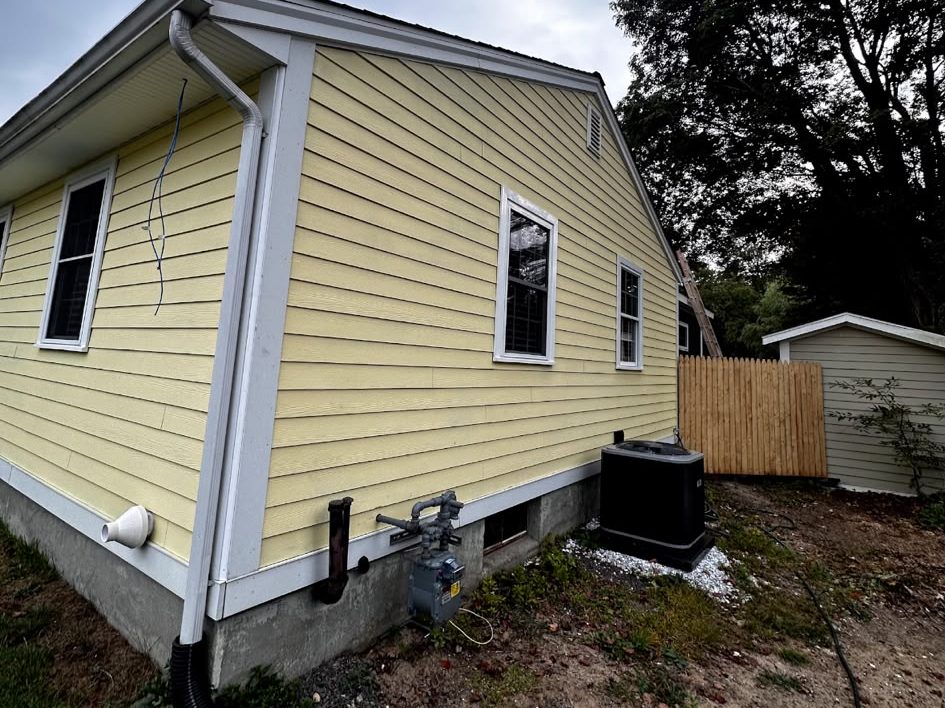
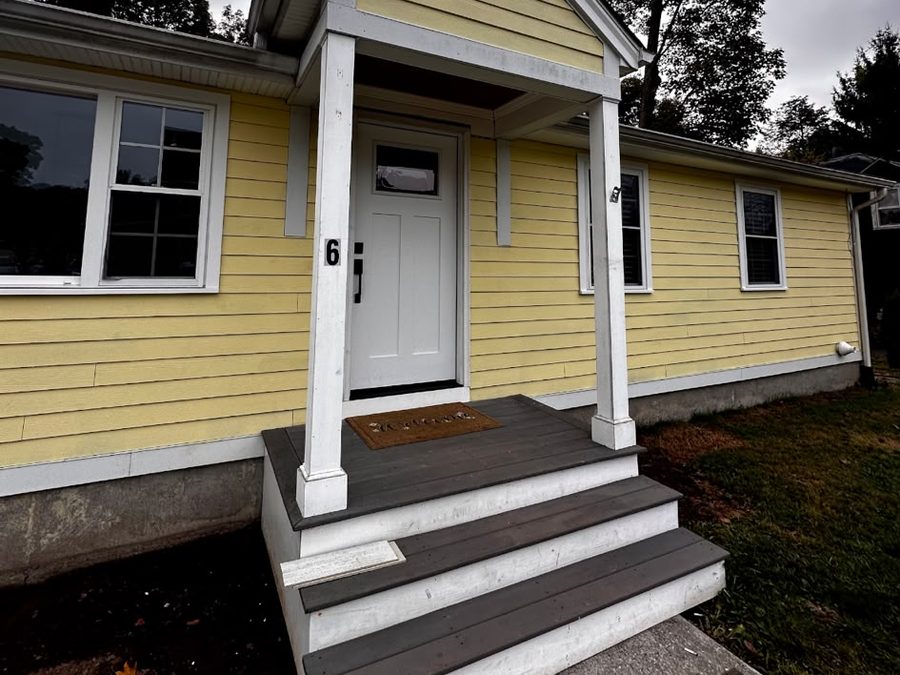
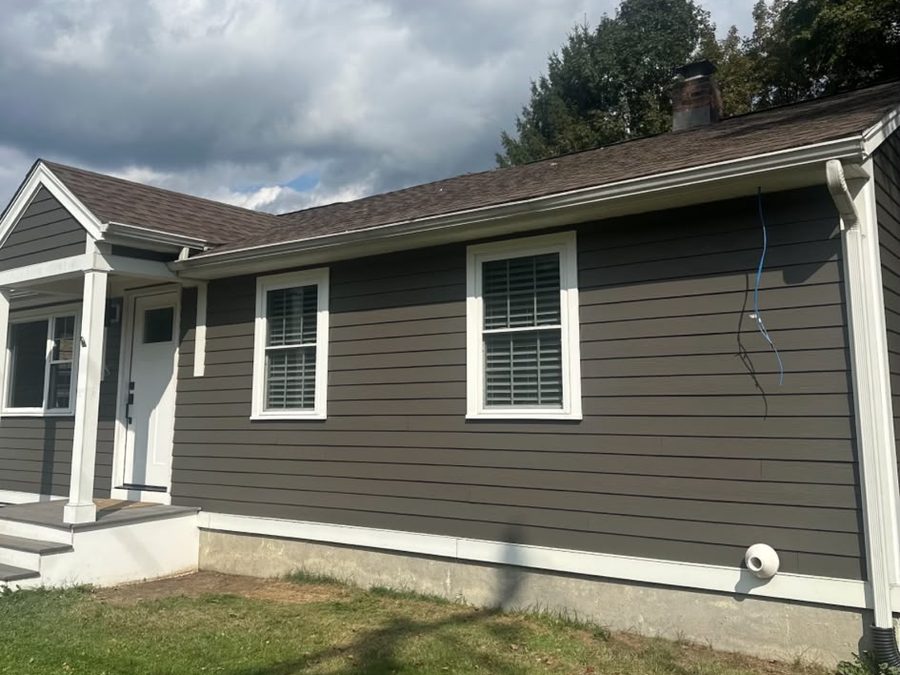
Real projects
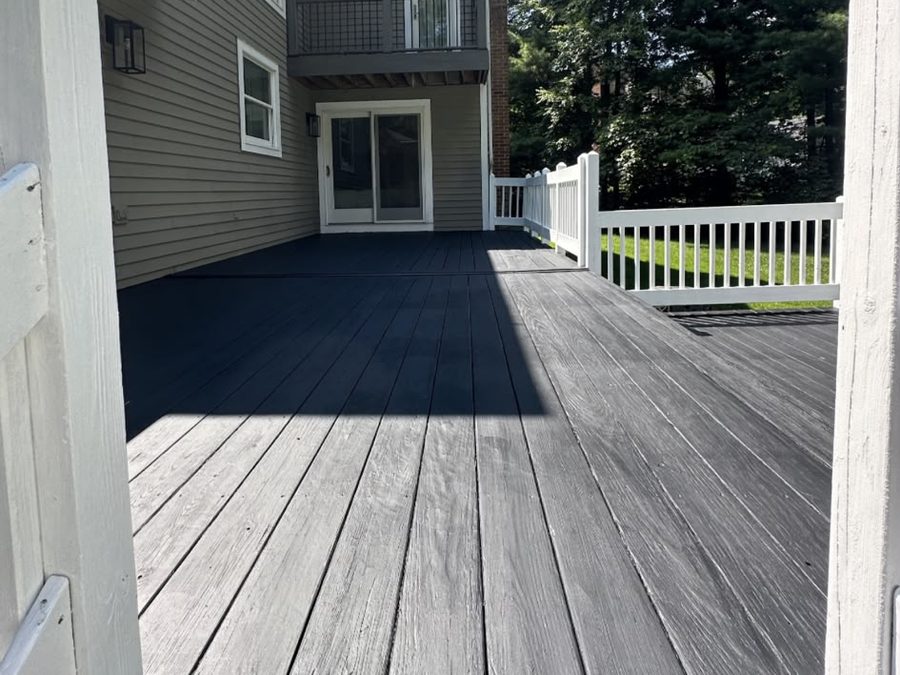
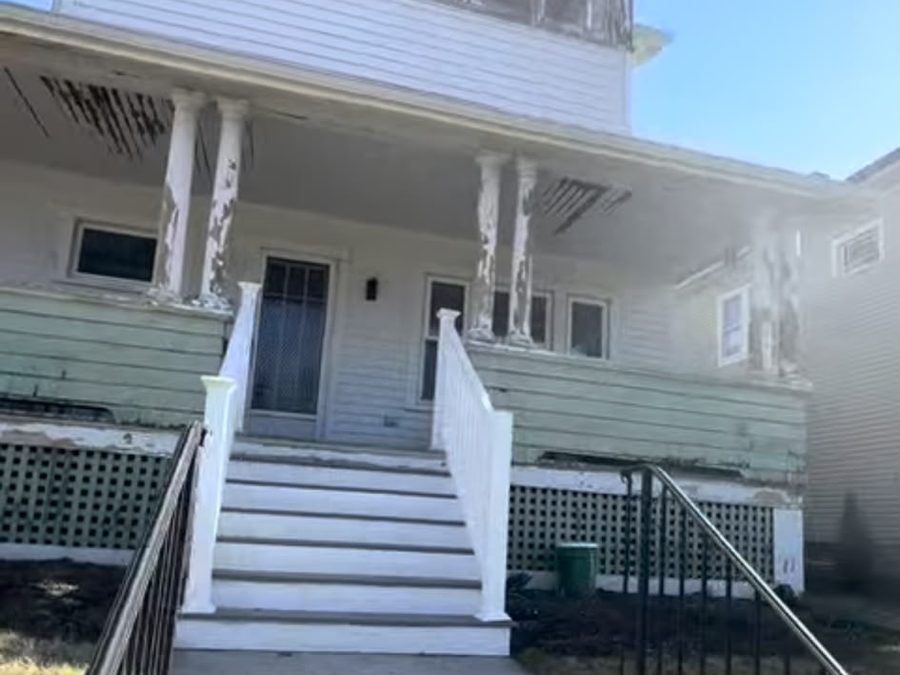
Siding, trim and deck work from recent exterior jobs.
Exterior Painting FAQs
Late spring through early fall usually offers the most reliable weather. The exact window depends on the product's minimum temperature and on forecast rain, so we schedule each job around actual conditions.
With proper preparation and quality coatings, many exteriors look good for years, but exposure plays a big role. South- and west-facing walls and horizontal surfaces such as railings typically need attention sooner.
Not necessarily. Many clients are at work during the project. We'll need access to exterior outlets and a water spigot, and we'll keep you updated on progress.
Vinyl can be painted with coatings formulated for it, as long as the new color isn't significantly darker than the original. Dark colors can absorb enough heat to warp vinyl, so we'll advise on safe color choices.
We show you the damaged areas before painting. Small sections can often be repaired with epoxy filler, while larger pieces of trim or siding may need replacement, which we'll discuss with you first.
Rain shortly after application can wash out or spot a fresh coat. That's why we watch the forecast closely and stop work early when rain is coming, rather than racing the weather.
Homes built before 1978 may have lead-based paint on the exterior. Ask us about the lead-safe work practices for your project before scraping begins, and we'll explain how the work will be handled.
Related services
Where we work
Our crew provides exterior painting in Waterbury, Naugatuck, Wolcott, Thomaston and Oxford, along with the rest of our service area around Waterbury. If your town isn't listed, call us; there's a good chance we already work nearby.
Get a quote for exterior painting
We'll visit, look at every surface and send a clear written estimate, usually within a few days.