
Window Painting in Waterbury, CT
Sashes, sills and casings painted with clean glass lines and sealed edges, while every window still opens the way it should.
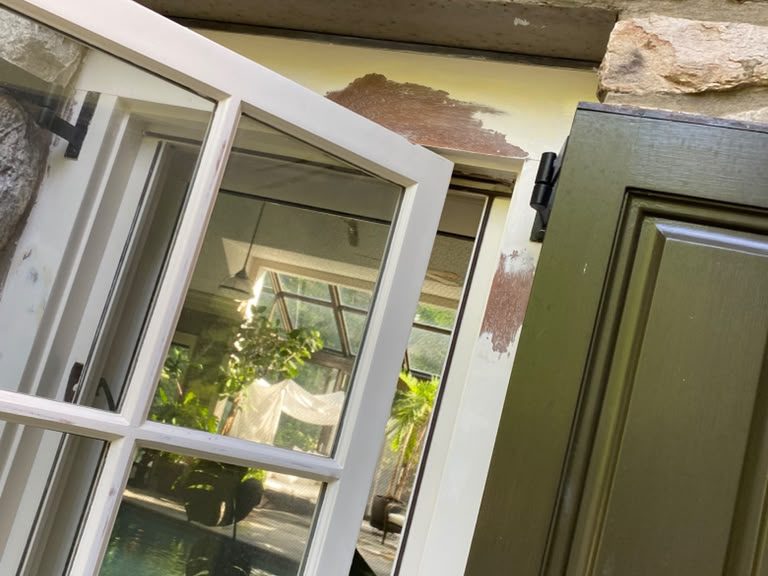
What to expect from our window painting
Windows are where water most often gets into a wall, and the paint and caulk around them are the first line of defense. Sills take the brunt of rain and melting snow, glazing compound dries and cracks over time, and the bottom rail of a sash is often the first piece of wood on a house to rot. Keeping that paint film intact protects much more than appearance.
Window painting is detailed work. Sashes have narrow muntins, glass edges that must be cut cleanly, and moving parts that can't be painted shut. We work carefully along the glass, lapping the paint just slightly onto it to seal the joint, and we keep the sash channels and stops clear so windows still slide up and down.
On older homes around Waterbury, Thomaston and Oxford, many original wood windows are still in place. These windows can last a very long time when they're maintained. We scrape loose paint, sand sills, replace failed exterior caulk around the casing, and prime bare wood before painting, paying particular attention to the sill's top surface where water sits.
Inside, window trim and stools see sunlight, condensation and the daily handling of blinds and curtains. Fresh paint on the casing, apron and stool brightens a room and makes the window frame look deliberate rather than yellowed. We can paint interior windows on their own or as part of a full-room project.
Window work also gives us a close look at the condition of the house around each opening. While prepping, we often spot early issues such as a split corner board, a gap where siding meets the casing, or a drip cap that's out of place. We'll point those out so they can be addressed before they turn into bigger repairs.
Homes built before 1978 may have lead in the paint on windows, which is one of the most common places it's found. If your home falls into that range, ask us how the work will be handled before any scraping or sanding begins, so you can make an informed decision.
For more detail, read Painting Older Wood Windows: What Homeowners Should Know on our blog, or see how this service pairs with exterior painting.
Free written estimate
- On-site visit and measurements
- Scope listed surface by surface
- Color and sheen guidance
Benefits of professional window painting
Water kept out of walls
Sound paint and caulk around sills and casings help stop rain from reaching the framing.
Crisp glass lines
Paint is cut cleanly along each pane, with a slight lap onto the glass to seal the joint.
Windows that still open
Channels and stops are kept clear, so sashes slide freely after the job.
Longer life for wood windows
Regular maintenance helps original windows outlast many replacement units.
Brighter interior trim
Fresh casings and stools make window frames look intentional instead of dingy.
Attention to sills
The surface that takes the most weather gets extra sanding, priming and coating.
What's included
Your window estimate counts each opening and notes which sides, sills and sashes are covered.
Exterior windows
- Scrape loose paint
- Sand and prime bare sills
- Replace failed casing caulk
- Paint sash, casing and sill
Interior windows
- Clean and degloss trim
- Fill dents in stools and aprons
- Paint casing, stool and apron
- Clean glass lines inside
Sash details
- Muntins painted individually
- Glass edges sealed with paint
- Channels kept free of paint
- Sashes freed if stuck
Finishing touches
- Remove stray paint from glass
- Check every window opens
- Masking removed same day
- Debris collected and cleared
Our process, step by step
Window survey
We note each window's material, paint condition, glazing and caulk, and flag any soft wood at the sills.
Prep exteriors
Loose paint is scraped, sills are sanded, bare wood is primed and failing caulk is cut out and replaced.
Prep interiors
Trim is cleaned and deglossed, dents are filled, and blinds and window treatments are moved aside.
Paint with care
Sashes, muntins, casings and sills are painted with clean cuts at the glass and clear channels.
Operate and clean
Each window is opened and closed to check movement, and stray paint is removed from the glass.
Why hire a professional
Window painting is slow, precise work, and that's exactly why it's often skipped. Cutting a clean line on dozens of small panes, keeping sashes from sticking, and judging whether a sill can be saved or needs repair all take patience and practice. Done poorly, paint ends up smeared on glass or seals a window shut for the season.
Because windows are so closely tied to water protection, there's also a long-term payoff. Catching a cracked sill coating or failed caulk joint early is far less expensive than replacing rotted sills or repairing the wall beneath them.
Access is the last consideration. Upper-story windows need ladders positioned safely and steadily for long periods of detail work, and storm windows often have to be removed or opened to reach the sash behind them. A crew equipped for that work can finish every window to the same standard, not just the ones within easy reach.
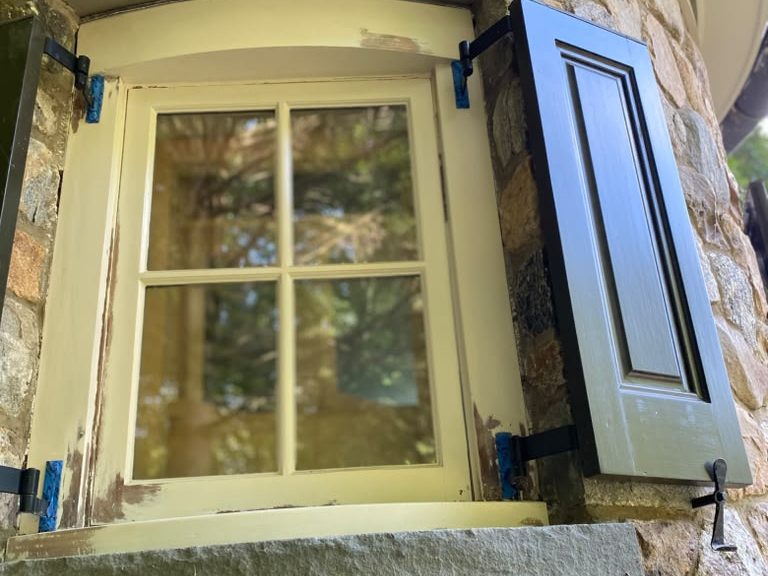
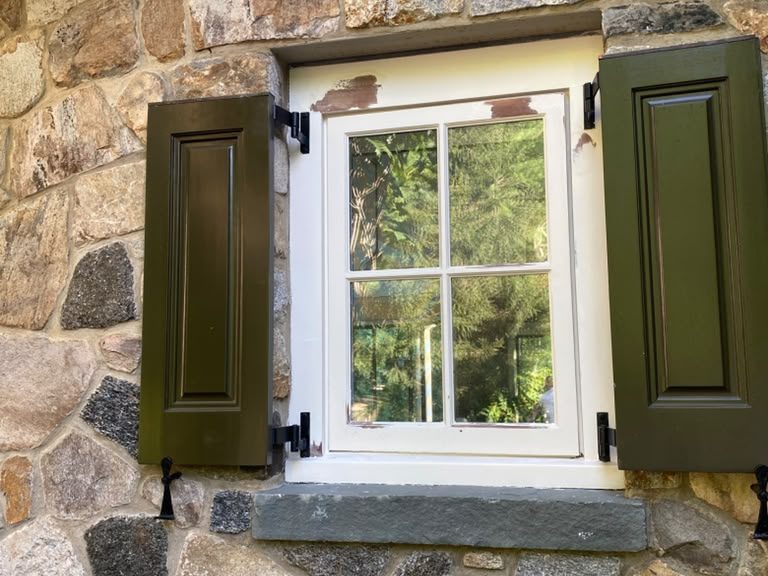
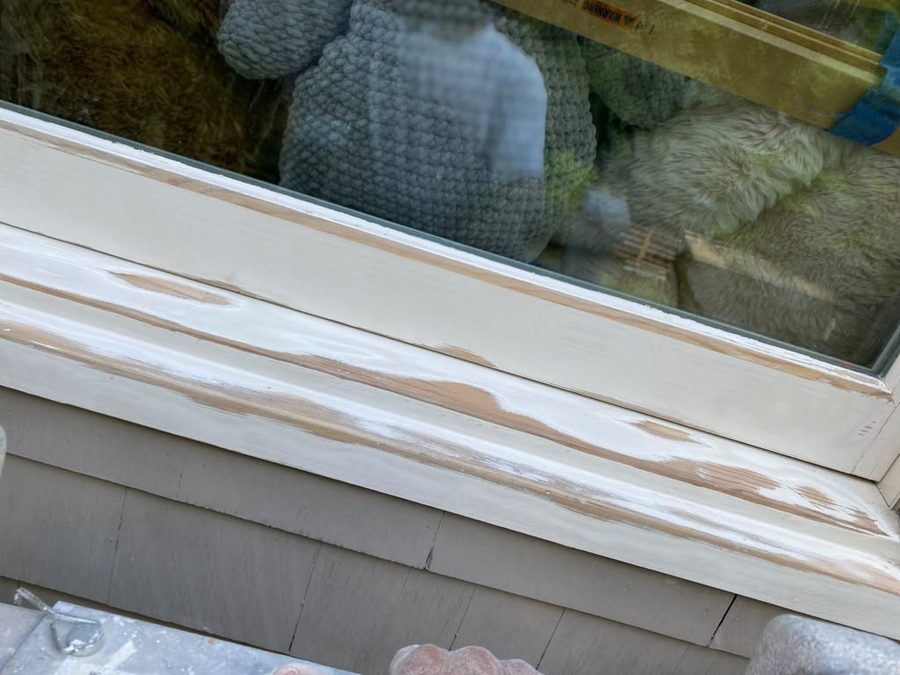
Real projects
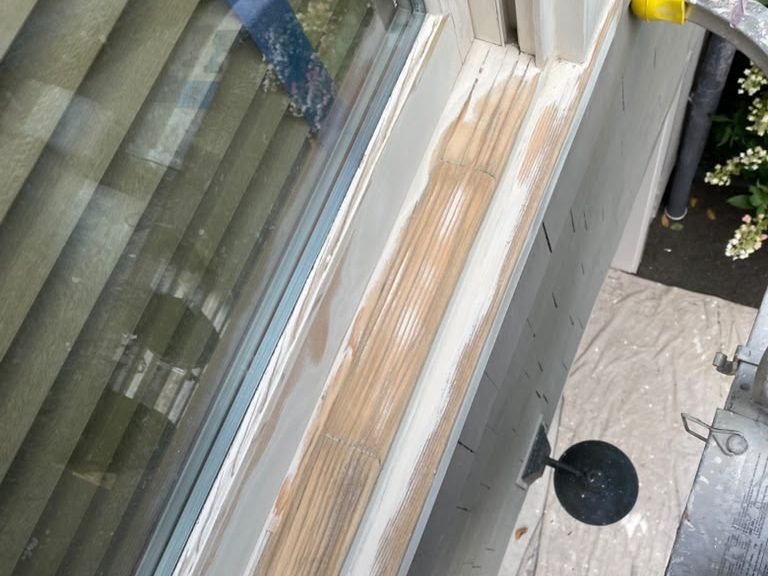
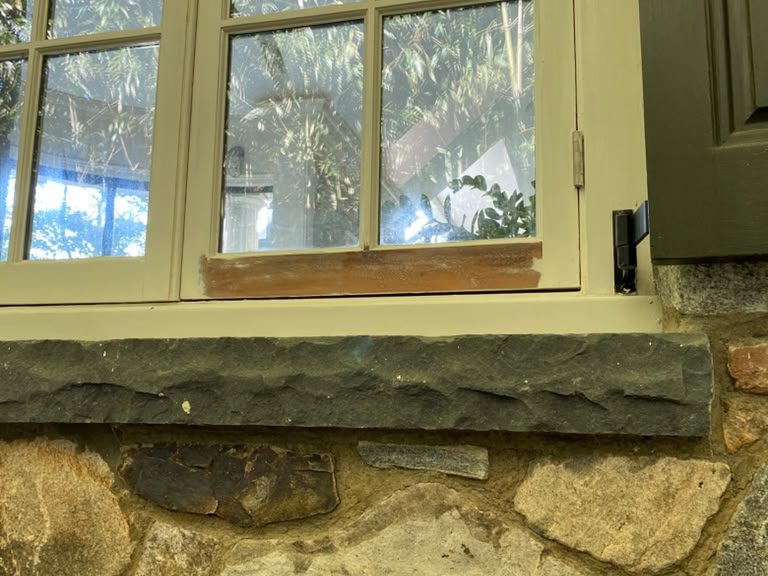
Sills, sashes and casings from recent window work.
Window Painting FAQs
Yes. We keep paint out of the sash channels and move each window while the paint is still workable, then check that it opens and closes before we leave.
We can address small areas of loose or missing glazing as part of prep. Extensive reglazing of many panes is a larger job, and we'll quote it separately if it's needed.
A very thin lap of paint onto the glass, about a sixteenth of an inch, helps seal the joint between glass and wood. Anything beyond that is cleaned off.
Vinyl window frames generally aren't painted, because many manufacturers don't recommend it and it can affect warranties. We focus on the surrounding wood trim and casings instead.
Minor soft spots can sometimes be consolidated and filled with epoxy. Severe rot may require replacing the sill, and we'll show you the damage and discuss options first.
Sills face more weather than any other part of the window, so they tend to need recoating sooner than siding. Inspecting them every couple of years helps catch problems early.
Absolutely. Interior window trim can be painted on its own, or combined with walls and baseboards as part of a room project.
Related services
Where we work
Our crew provides window painting in Waterbury, Thomaston, Oxford, Naugatuck and Prospect, along with the rest of our service area around Waterbury. If your town isn't listed, call us; there's a good chance we already work nearby.
Get a quote for window painting
We'll visit, look at every surface and send a clear written estimate, usually within a few days.